


Don’t Stone Your Prophet
Don’t Stone Your Prophet
Don’t stone your prophet. From Genesis to Revelation, Scripture repeatedly shows how people rejected, criticized, persecuted, and dishonored the very individuals God sent to help them. Many rejected the prophets, opposed God’s messengers, and even turned against those carrying divine assignments.
Jesus illustrated this truth in His parable of the vineyard. The owner repeatedly sent servants to collect the fruit of the vineyard, but the tenants mistreated, beat, and killed them. Finally, he sent his son, thinking they would respect him, but they killed him as well. This parable pointed to Israel’s treatment of God’s prophets and ultimately to the rejection and crucifixion of Jesus Christ Himself.
Sadly, this pattern continues today. As Jesus said, a prophet is often without honor among his own people and in his own household. Let us therefore be careful not to join those who dishonor, mock, or oppose God’s servants.

𝐓𝐡𝐞 𝐃𝐚𝐧𝐠𝐞𝐫 𝐨𝐟 𝐃𝐢𝐬𝐡𝐨𝐧𝐨𝐫𝐢𝐧𝐠 𝐆𝐨𝐝’𝐬 𝐒𝐞𝐫𝐯𝐚𝐧𝐭𝐬
The Bible says:
“Do My prophets no harm.” (Psalm 105:15)
Throughout Scripture, we see the consequences of speaking carelessly against those whom God has chosen.
𝐊𝐨𝐫𝐚𝐡, 𝐃𝐚𝐭𝐡𝐚𝐧, 𝐚𝐧𝐝 𝐀𝐛𝐢𝐫𝐚𝐦
Korah, Dathan, and Abiram rebelled against Moses and challenged the authority God had entrusted to him. Their rebellion brought severe judgment, and the earth opened and swallowed them along with their households (Numbers 16).
𝐌𝐢𝐫𝐢𝐚𝐦 𝐚𝐧𝐝 𝐀𝐚𝐫𝐨𝐧
Even Miriam and Aaron spoke against Moses. As a result, Miriam was struck with leprosy. It was only through Moses’ intercession that she was eventually restored (Numbers 12:1–15).
𝐓𝐡𝐞 𝐌𝐨𝐜𝐤𝐢𝐧𝐠 𝐨𝐟 𝐄𝐥𝐢𝐬𝐡𝐚
A group of young men mocked the prophet Elisha and showed open contempt for God’s servant. Their actions provoked divine judgment, and two bears came out of the woods and mauled forty-two of them. This sobering account reminds us that Scripture does not treat the dishonoring of God’s servants lightly and warns us against developing a spirit of mockery, disrespect, or contempt toward those whom God has called (2 Kings 2:23–24).
𝐃𝐚𝐯𝐢𝐝’𝐬 𝐄𝐱𝐚𝐦𝐩𝐥𝐞 𝐨𝐟 𝐇𝐨𝐧𝐨𝐫
One of the greatest lessons on honoring God’s anointed comes from David.
Although King Saul repeatedly sought to kill him, David refused to take Saul’s life when opportunities presented themselves. David understood that Saul was still God’s anointed king and refused to stretch out his hand against him.
David declared:
“I will not stretch out my hand against my lord, for he is the Lord’s anointed.” (1 Samuel 24:10)
David chose honor over revenge and trust in God’s timing over personal vindication.
𝐀𝐛𝐫𝐚𝐡𝐚𝐦 𝐚𝐧𝐝 𝐀𝐛𝐢𝐦𝐞𝐥𝐞𝐜𝐡
Another remarkable example is found in the account of Abraham and Abimelech. Because Abraham did not fully disclose that Sarah was his wife, Abimelech unknowingly took her into his household. However, God intervened by appearing to Abimelech in a dream, warning him of the situation and instructing him to restore Sarah to Abraham. This account demonstrates God’s protection over His covenant servant despite Abraham’s shortcomings.
God referred to Abraham as a prophet and instructed Abimelech:
“For he is a prophet, and he will pray for you and you shall live.” (Genesis 20:7)
Abimelech obeyed God’s instruction, restored Sarah, and received mercy. This account demonstrates the honor and protection God places upon those He has called.

𝐓𝐡𝐞 𝐋𝐞𝐬𝐬𝐨𝐧 𝐟𝐫𝐨𝐦 𝐍𝐨𝐚𝐡 𝐚𝐧𝐝 𝐇𝐢𝐬 𝐒𝐨𝐧𝐬
After the flood, Noah became drunk and lay uncovered in his tent. Ham saw his father’s nakedness and exposed his father’s shame to others instead of covering it.
In contrast, Shem and Japheth responded with honor. They walked backward into the tent and covered their father without looking upon his nakedness.
When Noah awoke and learned what had happened, he pronounced a curse upon Canaan, the son of Ham, and released blessings upon Shem and Japheth (Genesis 9:20–27).
One of the most remarkable aspects of this account is that Abraham, the father of faith, later came through the lineage of Shem. The covenant blessings that eventually produced the nation of Israel and, ultimately, the Messiah flowed through the blessed line of Shem.
While Ham’s line experienced the consequences of dishonor, Shem’s line carried the blessing, covenant, and promise of God. This illustrates the power of honor and the far-reaching impact it can have across generations.
𝐁𝐥𝐞𝐬𝐬𝐢𝐧𝐠𝐬 𝐚𝐧𝐝 𝐂𝐮𝐫𝐬𝐞𝐬
God later made a covenant with Abraham and declared:
“I will bless those who bless you, and I will curse him who curses you.” (Genesis 12:3)
This principle reminds us that our attitude toward those whom God has chosen matters greatly. There are people whom God has called and set apart for His purposes, and Scripture teaches us to treat them with honor and respect.
Likewise, when we bless, support, encourage, and pray for God’s servants, we position ourselves to receive blessings from the Lord.
Wisdom for Every Believer: Don’t Stone Your Prophet
This does not mean that spiritual leaders are perfect. Every servant of God is still human and capable of mistakes. However, Scripture consistently teaches us to exercise wisdom, honor, humility, and restraint in how we speak about those whom God has entrusted with spiritual responsibility.
Shem and Japheth chose honor and received blessing. Ham chose exposure and dishonor and suffered painful consequences.
In our generation, many people casually criticize, mock, insult, and attack spiritual leaders without understanding the seriousness of their words. While wrongdoing should never be excused, believers must guard against developing a spirit of dishonor, bitterness, or reckless criticism.
Let us learn to pray more and criticize less, encourage more and condemn less, and leave room for God to judge righteously.
A word is enough for the wise.
James Kayode Olusoji
Pastor, Bethel Kingdom City Church (BKCC) Calgary.
Join us this Sunday for a powerful time of worship, prayer, and the Word of God.
📍 520 60 Avenue SE, Calgary, AB, Canada
🕗 Service Time: 8:00 AM – 9:45 AM MST
Come expecting an encounter with God and a life-transforming experience!
Welcome to Bethel Kingdom City Church Online – Church Without Walls
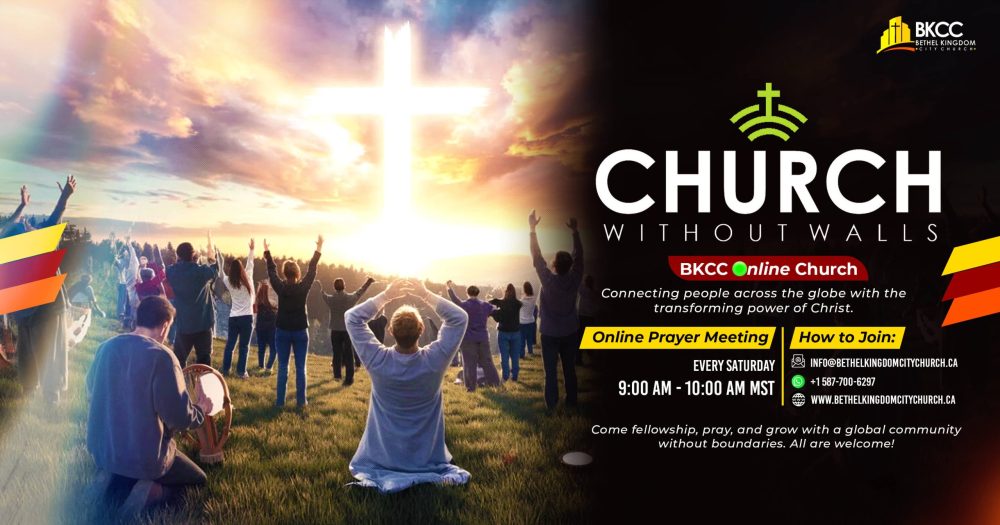
No matter where you are in the world, you are invited to be part of a growing global community centered on faith, prayer, and the transforming power of Jesus Christ. Bethel Kingdom City Church Online is a place where boundaries disappear and hearts connect.
Join us as we fellowship, pray, and grow together—online, yet united in spirit.
How to Connect With Us:
-
📧 Email: [email protected]
-
📞 Phone/WhatsApp: +1 (587) 700-6297
-
🌐 New Here? Simply fill out the “I’m New” form on our website
Whether you’re seeking prayer, community, or a deeper walk with Christ, there’s a place for you here.
All are welcome—come and experience Church Without Walls.
A Global Reach of 207 Countries in 2025 via BKCC Church’s Website

